
Arizona Inspection Period in Prescott Valley: Buyer Guide
January 22, 2026
January 22, 2026
Buying a home in Prescott Valley is exciting, but that short inspection window can feel intense. You want the freedom to investigate the property, avoid costly surprises, and still keep your offer competitive. The good news is Arizona’s inspection period gives you clear rights if you act on time and in writing. In this guide, you’ll learn how the period works, what to inspect locally, and how to use your findings to negotiate smartly. Let’s dive in.
The Arizona Association of REALTORS residential resale contract usually sets your inspection period. The length is negotiable, but many buyers use 7-10 calendar days. The clock starts when all parties sign the contract. You must deliver written notice before the deadline if you plan to request repairs, seek credits, or cancel.
You can inspect all accessible parts of the home and hire specialists as needed. If you find a material defect, you can request repairs or credits, or you can cancel within the inspection period. If you do nothing by the deadline, you typically waive your inspection contingency and proceed under the contract.
New-build contracts often use different timelines and remedies. In competitive situations, some buyers shorten or even waive the inspection contingency, which increases risk. If you shorten timelines, schedule inspections immediately and focus on the highest-impact systems first.
Start booking inspections within 24-72 hours of contract acceptance. Some tests need lab time or special scheduling, so lock in those appointments early. Coordinate access through your agent, and review the Seller Property Disclosure along with any permits or repair records right away.
Prescott Valley includes both municipal water service and rural areas on private wells. Confirm the water source early in your process. For wells, order water quality testing and review pump, tank, and pressure system details.
Many in-town homes connect to municipal sewer, while rural Yavapai County properties often use septic systems. Ask for septic maintenance records and schedule an inspection to avoid surprise repair costs.
Our high-desert environment carries wildfire risk. Evaluate vegetation clearance, ember exposure points like roof edges and soffits, and access for emergency vehicles. Check any HOA or community rules that may require specific mitigation.
Monsoon storms can expose grading and roof issues. Look for signs of prior water intrusion, clogged gutters, or inadequate drainage. Ask inspectors to focus on roof flashings and downspout performance.
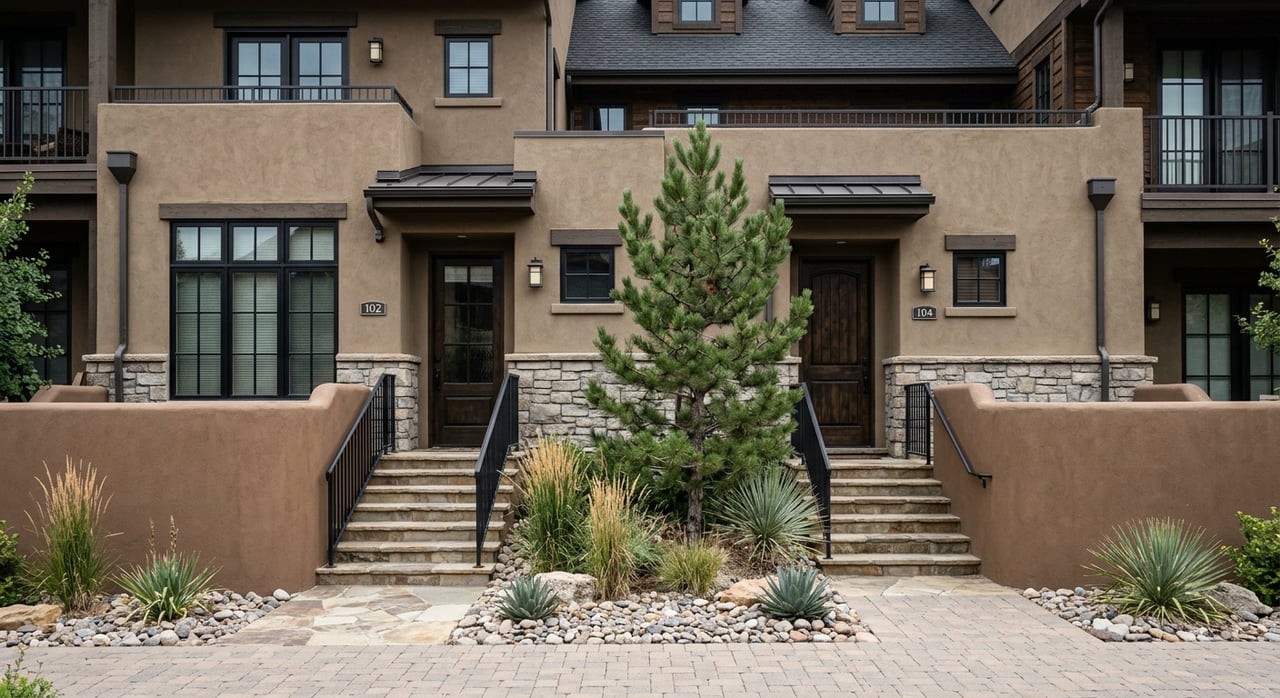
Stucco exteriors and low-slope roof sections are common in the region. Pay attention to stucco cracks, sealing, and roof drainage. Even small flashing issues can lead to water damage over time.
Arizona has wood-destroying organisms, so a WDO report is standard. If you see damaged wood or high moisture readings, consider further evaluation to understand the scope and cost.
Older homes or upgraded properties may have unpermitted additions or electrical changes. Check municipal and county permit records and compare them to what you see on site. Unpermitted work can affect insurance and future resale.
Confirm whether the property lies in a flood zone and ask about neighborhood drainage history. Local stormwater patterns can vary, so factor this into your inspection and insurance planning.
Focus first on health and safety issues and major structural problems. Next, consider big-ticket systems that may be near end of life, like HVAC, roof, septic, or well components. Minor cosmetic items are often better handled after closing or negotiated as small credits.
Get written contractor estimates for the major items before you present a number. Solid documentation makes negotiations more effective. Your agent can prepare a Repair Addendum that clearly outlines requests, credits, or timelines.
If you need more time for lab results or bids, request an inspection period extension in writing. The seller can accept or decline. If the seller counters your request and you cannot reach agreement, you may still have the option to cancel within the inspection period based on the contract.
Keep all communication in writing and follow contract deadlines. Do not rely on verbal promises; request amendments. If you waived the inspection contingency, consider at least limited checks on major systems before closing.
With more than 30 years of local experience and over 1,000 successful transactions, our team helps you plan inspections, prioritize findings, and negotiate confidently. Whether you are buying in-town or in a rural pocket of Yavapai County, we guide you to the right specialists and keep your timeline on track.
Ready to move forward with clarity? Connect with Tim Eastman for local guidance that protects your purchase and keeps your goals front and center.
Stay up to date on the latest real estate trends.

Search by Features
Golf Community
New Construction
Gated Community
Separate Guest House
Search by Neighborhood
Tim Eastman stands out in the Prescott, AZ real estate market by providing unparalleled local insights and a personalized approach to each client’s journey. His dedication to excellence and deep market knowledge ensures that your living begins here with the utmost confidence and ease.