Leave a Message

Thank you for your message. We will be in touch with you shortly.

Buying In Stoneridge: How Prescott Valley’s Golf Community Works

February 12, 2026

Love the idea of living by the fairway but not sure how a golf community actually works day to day? If you are eyeing Stoneridge in Prescott Valley, you are not alone. It is a planned community built around golf, views, and low-maintenance living, but the details matter when you are buying. In this guide, you will learn how the HOA and the golf club operate, what memberships may look like, what to budget for, and how to tour with confidence. Let’s dive in.

Stoneridge at a glance

Stoneridge is a master-planned, golf-centered neighborhood made up of multiple phases and sub-neighborhoods. Some areas have their own sub-association under a master HOA, and each can have different rules and dues. The golf club typically operates as a separate entity from the HOA. That means community rules and golf access are managed by different organizations.

Most of Prescott Valley is in Yavapai County. Always confirm the county, parcel details, and recorded documents for the specific address you are considering. That single check helps you avoid confusion between municipal and county processes.

How the HOA structure works

In many planned golf communities like Stoneridge, you may belong to a master association and a sub-association. The master association often handles larger shared items such as common-area landscaping and private streets. Sub-associations typically govern architectural guidelines, exterior standards, and neighborhood-level maintenance.

The golf club or country club is a separate legal entity. Its policies on membership, tee times, and events are independent from HOA governance. Your HOA dues usually do not include golf privileges unless a deeded arrangement exists for a specific property.

Key documents to request

  • CC&Rs for the master and any sub-association
  • Bylaws, rules and regulations, and architectural guidelines
  • Current HOA budget, assessment schedule, and the latest reserve study
  • Meeting minutes from the past 12 to 24 months
  • Any easements or maintenance agreements tied to the golf course
  • Club bylaws or membership agreement if available

Rules to verify before you buy

  • Exterior color palettes and architectural standards
  • Solar panel, satellite, and antenna guidelines
  • RV, boat, and street or guest parking limits
  • Short-term rental rules and any leasing minimums
  • Owner-occupancy requirements or rental caps

Golf membership basics

Homeownership and golf are not automatically linked. In many communities, golf access requires a separate membership. Some properties may carry deeded privileges, but most buyers choose from the club’s current menu of membership options.

Common membership categories to ask about include equity or non-equity, full golf, social, junior, seasonal, and corporate. You will want to confirm initiation fees, monthly or annual dues, food and beverage minimums, and any cart or guest fees. These can change over time and can differ by membership type.

Access and guest policies

  • Do homeowners receive preferred tee times or rates?
  • Are there guest limits or blackout dates?
  • How far in advance can you book, and are there waitlists for certain membership levels?

Daily life near the course

  • Maintenance schedules such as irrigation and overseeding can influence noise and activity near course-front homes.
  • Tournaments, weddings, and events may bring traffic and parking pressures for short periods.
  • Shared paths or practice areas may be off-limits without a membership. Always confirm usage rules for safety and liability.

Transferability and resale

  • If a membership can transfer with the sale of a home, request the written terms and any transfer fees.
  • Check whether the club caps memberships or has a waitlist, since availability can affect your timing and lifestyle plans.

Homes and neighborhoods

Stoneridge includes a range of home types. You will find villas or condos with lower-maintenance living, patio homes or duplexes geared to efficiency, and single-family homes on varying lot sizes. Some premium lots back to fairways or greens and may offer broad views.

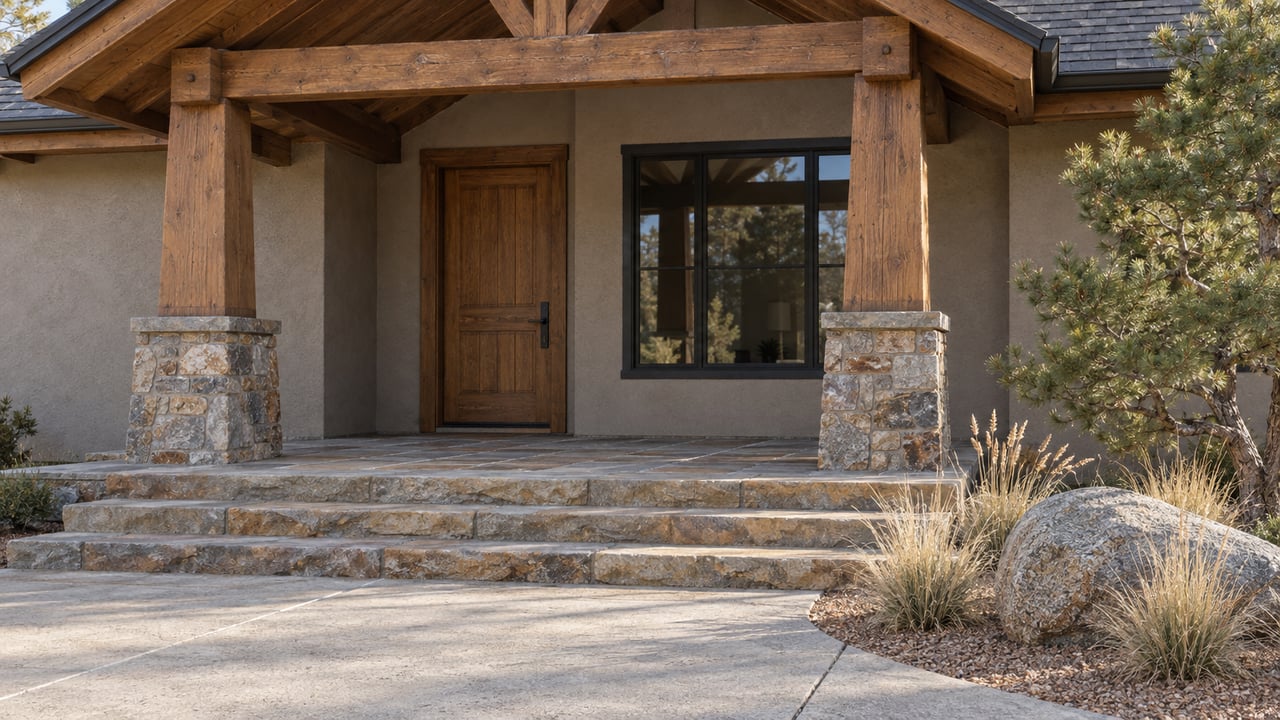
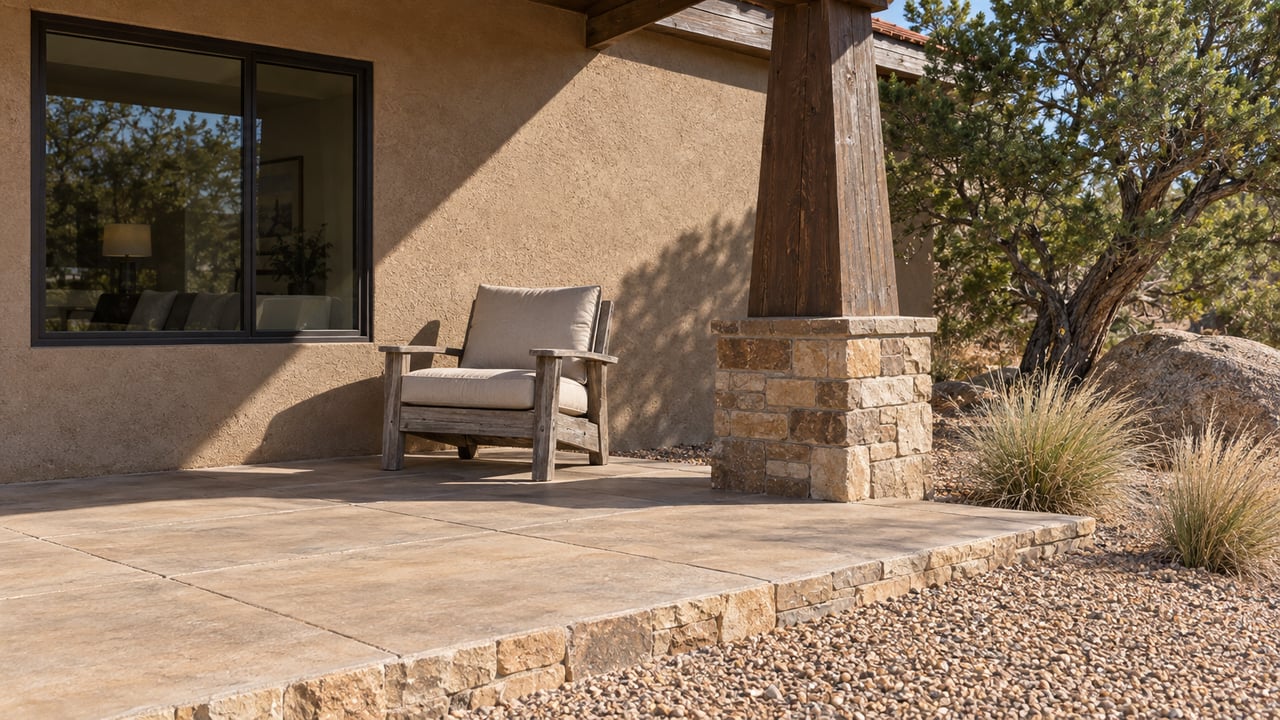
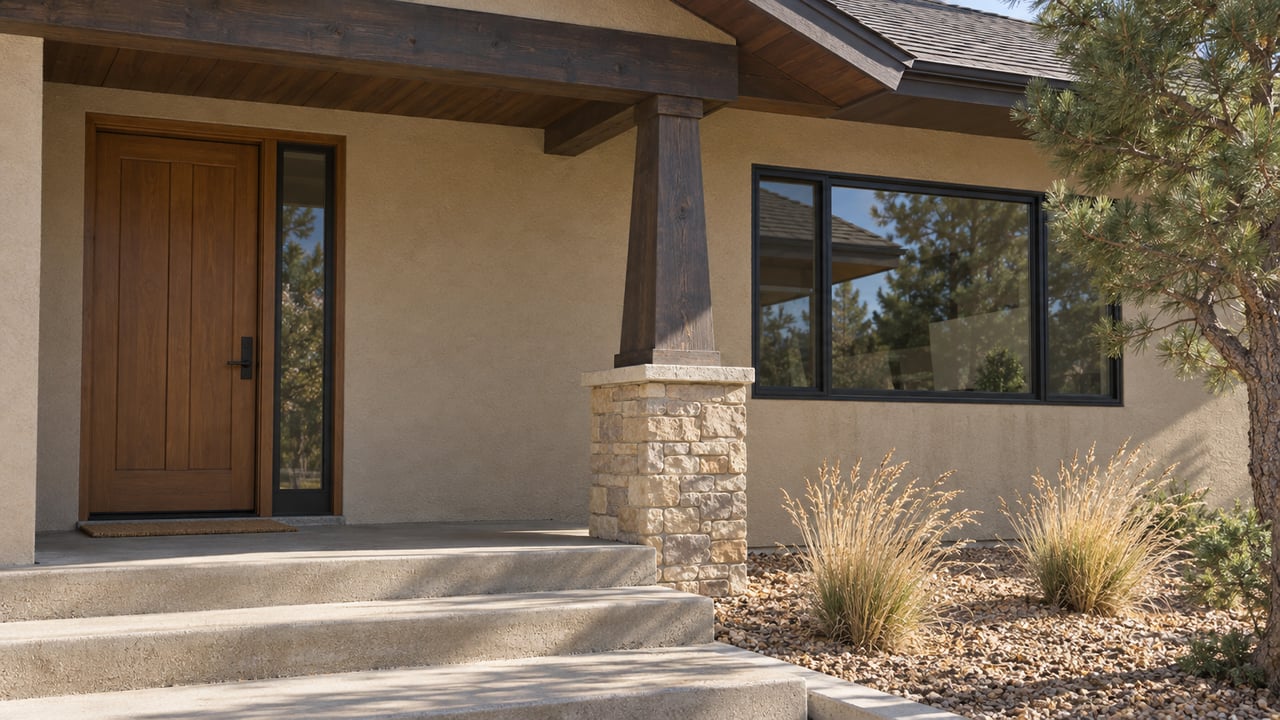
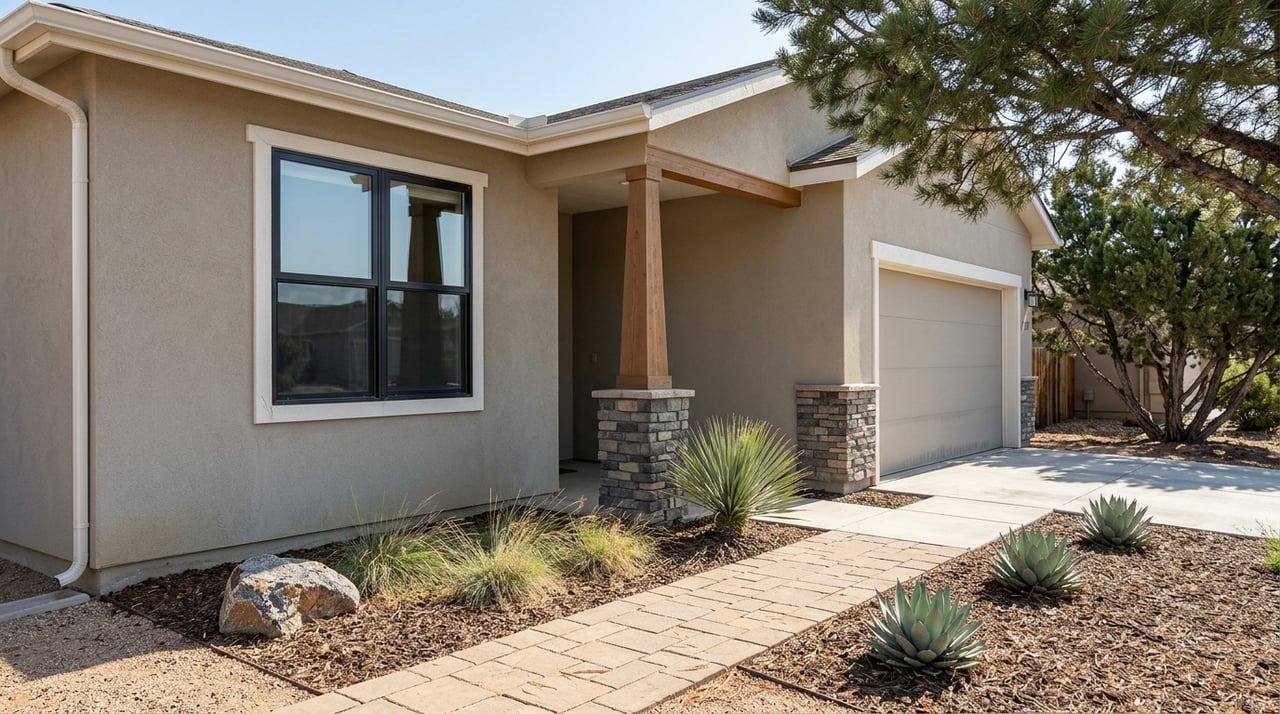
Typical features in Prescott Valley-era golf communities include stucco exteriors, tile or composite roofs, paver driveways, and xeriscape landscaping with drip irrigation. Most homes have 2 to 3 car garages. Outdoor living spaces, such as covered patios and built-in BBQs, are common and often oriented to capture sunset or golf course vistas.

Homes were built in phases over multiple years. Expect variation in finishes, mechanical systems, and update needs. Newer infill properties may differ from original build-out homes, so compare age, condition, and energy features during tours.

Course-front vs interior lots

  • Course-front lots provide views and immediate golf ambience, but you should plan for less privacy, possible errant golf balls, and irrigation overspray.
  • Interior lots may offer more privacy and lower lot premiums, but views will vary and you may see more neighborhood foot traffic near common areas or trails.

Costs and financial due diligence

Plan for both HOA and golf-related expenses, plus typical homeownership costs. Each address may have different associations, dues, and included services, so verify everything in writing.

Common cost categories to investigate:

  • HOA dues for master and sub-associations, including billing frequency and what services are included
  • Special assessments for capital projects or reserve shortfalls
  • Country club initiation costs, ongoing dues, and any minimums
  • Property taxes confirmed through the local assessor’s records for your parcel
  • Home insurance, with attention to course-front liability and regional wildfire exposure
  • Utilities such as water, sewer, electricity, and any separate landscape irrigation charges
  • Maintenance items such as exterior paint cycles and roof timelines that may be set by CC&Rs

Documents to review for clarity

  • Current HOA budget plus 2 to 3 years of past budgets
  • The latest reserve study for capital repairs and replacement plans
  • A written list of planned projects or pending assessments
  • The club’s fee schedule and initiation process
  • County tax bills for the last 2 to 3 years

Red flags to watch

  • Low reserve balances compared to the replacement schedule
  • Repeated special assessments over recent years
  • Open or frequent HOA litigation and escalating legal expenses
  • Signs of club financial pressure that could alter amenities or ownership

Lifestyle and resale considerations

Start with how you plan to use the community. Do you want to play golf often, join social events, or simply enjoy the scenery? Consider how much maintenance you want to handle yourself and whether a villa or patio home with included exterior services fits your lifestyle.

Short-term rental policies vary by association and can change. If rental flexibility matters, verify the rules directly with the HOA, including any minimum lease terms. If you have pets, check for breed or size limits. If you prefer quiet evenings, learn the club’s event schedule and traffic patterns.

For resale, weigh privacy and view trade-offs. Course-front appeal can help attract future buyers who want the golf ambience, but some buyers prefer interior lots for privacy and lower exposure to golf activity. A well-documented HOA with clear reserves and consistent rules is attractive to many future buyers.

Touring checklist for buyers

Go in with a plan and request documents early. The more you know before you write an offer, the smoother your escrow will be.

Documents to collect before an offer

  • HOA contact details and a full resale or disclosure packet
  • CC&Rs, bylaws, rules, current budget, reserve study, and recent minutes
  • Club membership documents and fee schedules
  • Seller disclosures, including any HOA notices or violation history
  • Recent utility statements and property tax records

On-site items to inspect

  • Roof, HVAC, water heater age and condition
  • Window and door seals, sun exposure, and any signs of heat damage
  • Irrigation coverage and overspray that could affect the home or yard
  • Evidence of golf ball strikes or other course-related wear
  • Fence lines, landscape buffers, trails, and easements along lot edges
  • Drainage and grading that moves water away from the foundation
  • Neighborhood parking rules and guest space availability during evenings or events

Questions for the HOA or management

  • Are rentals allowed, and what are the minimum terms?
  • Are there any age-restricted areas or special-use zones?
  • Are development or zoning changes planned nearby?
  • How are common areas funded and maintained, and are third parties involved?

Title and survey checks

  • Review plat maps for access and maintenance strips next to the course
  • Confirm boundaries and check for any encroachments into common areas
  • Verify any deeded access rights to golf paths or open space

Next steps

Buying in a golf community is about finding the right blend of club access, HOA fit, and home style. Start by clarifying your priorities. Then gather the HOA and club documents for the specific address you like, and confirm parcel data through local records. Finally, walk the property at different times of day to get a true feel for noise, light, and activity patterns.

If you want local insight on Stoneridge and neighboring Prescott Valley communities, reach out to Tim Eastman. With deep Prescott-area experience and a client-first approach, you will get clear guidance, curated options, and a smooth path to the right home.

FAQs

How does the Stoneridge HOA differ from the golf club?

  • The HOA manages community rules and shared areas, while the golf club is a separate entity that sets membership, tee times, and event policies.

Are golf memberships required when buying in Stoneridge?

  • Typically no. Homeownership and golf access are separate, unless a specific property has deeded privileges. Most buyers choose from the club’s current offerings.

What documents should I review before buying in Stoneridge?

  • Request CC&Rs, bylaws, rules, budgets, reserve studies, recent minutes, seller disclosures, and the golf club’s membership details and fee schedule.

What should I know about homes backing to the course?

  • Expect great views with potential trade-offs, such as less privacy, possible errant balls, and periodic maintenance or event activity nearby.

Are short-term rentals allowed in Stoneridge?

  • Many HOAs regulate STRs. Confirm the exact policy, lease minimums, and any caps or moratoria with the association for the specific address.

Is Stoneridge in Yavapai County?

  • Most of Prescott Valley lies in Yavapai County, but always verify the parcel’s county and recorded documents for the exact property you plan to buy.

EXPERIENCE THE TIM EASTMAN ADVANTAGE

Tim Eastman stands out in the Prescott, AZ real estate market by providing unparalleled local insights and a personalized approach to each client’s journey. His dedication to excellence and deep market knowledge ensures that your living begins here with the utmost confidence and ease.