Thinking about selling or just curious what your Paulden home could bring in today’s market? Pricing a rural property can feel tricky, especially when acreage, wells, septic systems, and road access all play a role. You want a fair, defensible number that attracts the right buyers and helps you move on your timeline. In this guide, you’ll learn how value is determined in Paulden, which methods to use, what to gather, and how to choose a smart pricing strategy. Let’s dive in.
How market value is set in Paulden
In Paulden, the strongest indicator of value is what comparable homes and parcels have actually sold for. Local agents and appraisers lean on the MLS for recent sales, photos, and details. In rural areas, this on-the-ground data beats national algorithms because properties vary widely in lot size, access, and services.
Because Paulden has a mix of site-built homes, manufactured housing, and acreage, you can expect fewer perfect matches. That makes the choice of comparable sales and the local adjustments more important. County assessor values help with context, but they are for tax purposes and often lag the market.
For a snapshot of demand, look at active listings, pending sales, days on market, months of inventory, and the percent of list price received. In a low-inventory environment, well-priced homes tend to move faster and closer to asking.
The main ways to estimate your price
Comparative Market Analysis (CMA)
A CMA is prepared by a local agent using recent comparable sales and current competition. It reflects buyer demand, supply, and property differences. It usually includes a recommended list price and a likely sale range. A strong CMA is your best starting point for a real listing strategy.
Automated Valuation Models (AVMs)
Zillow Zestimates and similar tools are quick and free. They can be useful for a rough ballpark, but they struggle in rural areas with sparse comps or unique features. Treat AVMs as a reference point and always cross-check with a local CMA.
Licensed appraisal
A full appraisal follows professional standards and evaluates at least the sales comparison and cost approaches. It is the most authoritative for lenders and complex properties. Expect to pay several hundred dollars and allow time for scheduling. This is helpful for estate, divorce, or when you need an independent, defensible value.
Broker Price Opinion (BPO)
A BPO is a shorter, lower-cost opinion often used by lenders or trustees. It is not as detailed as an appraisal but can be useful for quick planning.
List-price testing and market feedback
You can also test the market by listing at a researched price and watching the response. Strong showing activity and early offers validate pricing. If traffic is slow, feedback may suggest a needed adjustment. This method requires time and careful marketing.
Paulden-specific factors that move the needle
Property-level drivers
- Lot size and usable acreage. Level, accessible land that supports ranch, horses, or outdoor storage often carries a premium. Steep or unusable portions can reduce the per-acre value.
- Utilities and services. Municipal water and sewer are rare, so clarity on private well yield, water quality, and septic condition is critical. Unknown or failing systems typically reduce offers.
- Access and roads. Year-round, paved access is a plus. If access relies on easements or unmaintained roads, buyers may discount for risk and upkeep.
- Home type. Site-built homes generally trade higher than manufactured homes. For manufactured homes, confirm title status and whether the home is legally affixed as real property.
- Condition of major systems. Roof, HVAC, foundation, and septic condition carry more weight than cosmetic finishes. Deferred maintenance can lengthen time on market and reduce price.
- Views and privacy. Scenic views, thoughtful siting, and mature landscaping can add value for rural buyers.
External and market-level drivers
- Proximity to services. Commutes to Prescott, Prescott Valley, and Chino Valley influence buyer demand and pricing.
- Seasonal demand and buyer profile. Paulden attracts a mix of rural lifestyle buyers, retirees, and second-home owners. Different buyer groups value acreage, privacy, and utility certainty.
- Inventory and absorption. Low inventory supports stronger prices. High inventory usually increases days on market and price sensitivity.
- Mortgage rates. Higher rates can shrink the buyer pool and push prices lower, especially for entry-level homes.
- Nearby development. Road improvements, utilities, or new commercial projects in surrounding towns can affect demand over time.
Regulatory and environmental considerations
- Well and septic documentation. Buyers and lenders commonly require well logs, water testing, and septic permits or inspection records.
- Fire risk. Some areas carry higher wildfire risk, which can affect insurance costs and buyer confidence.
- Flood and drainage. Check FEMA flood status and local drainage. Flood zones or low-lying washes can limit buildability and insurability.
- Mineral and water rights. Confirm what rights convey with the property, especially on larger parcels.
- HOA or road associations. Dues and maintenance obligations should be verified early.
What to gather before you price
Pulling records early helps you price accurately and avoid surprises in escrow. Start with:
- Deed and legal description
- Recent property tax bill and assessed value
- Any survey or plot plan
- Prior MLS listing history if previously on the market
- Permits and records for major improvements, including roof, additions, HVAC, septic, and well
- Well log and recent water test results; septic permits and pump-out records
- Recent utility bills and any HOA or road association documents
- Photos, floor plans, and a list of upgrades with dates and receipts
- Any previous appraisal or inspection reports
- Seller disclosures and a list of known defects
What to ask your agent or appraiser
- How many Paulden or nearby sales have you handled in the last year?
- Which recent sales best match my property and why?
- How would you price for maximum first-week interest versus a longer runway?
- What inspections or disclosures are common here, especially for wells and septic?
- Which repairs or improvements deliver the best return locally?
- Are there any known plans or zoning changes that could affect near-term value?
Pricing strategy in a rural market
Because comparable sales can be sparse, avoid relying on a single metric like price per square foot. Instead, weigh the whole package: usable acreage, access, utilities, home type and condition, and recent buyer behavior for similar properties.
Ask your agent for:
- 5 to 10 of the most comparable closed sales from the past 6 to 12 months, with adjustments explained
- 3 to 5 comparable active and pending listings to see your current competition
- Typical days on market for similar homes
- A suggested list price with best-case, expected, and aggressive strategies
- An estimated seller net sheet with closing costs and likely proceeds
Your goal is a price that positions your home among active listings while reflecting the premiums or discounts that apply to your specific land and systems.
Smart prep that boosts value
In Paulden, many buyers focus on function, safety, and land usability over luxury finishes. Consider these steps before listing:
- Fix functional issues first. Address roof, HVAC, well, septic, and drainage before cosmetic upgrades.
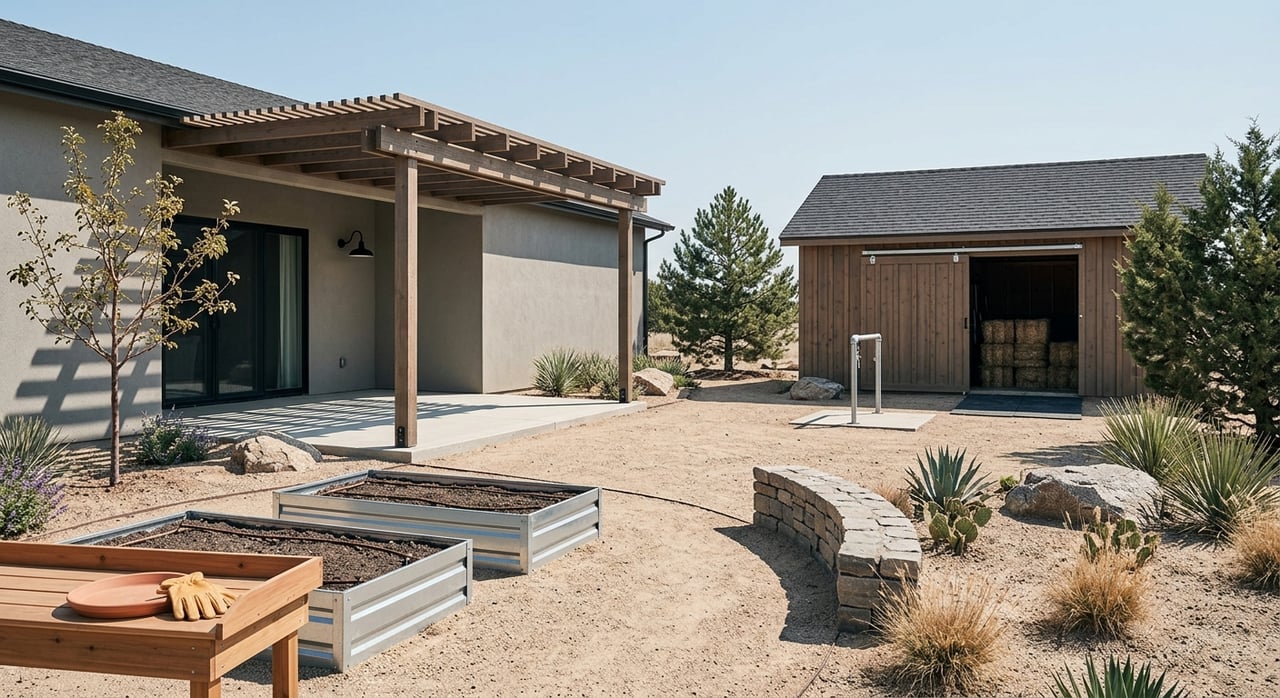
- Improve land usability. Tidy fencing, clear accessible areas, and highlight usable pads or barns.
- Tackle easy wins. Fresh paint, lighting, hardware, deep cleaning, and landscaping help photos pop.
- Stage for lifestyle. Showcase outdoor living areas and broad views. Use photos to tell the acreage story.
- Keep ROI realistic. In rural markets, high-end remodels often recoup less than practical improvements.
Understand selling costs
Plan for typical seller expenses so your net proceeds match expectations:
- Broker commission. Commonly negotiated and often in the 5 to 6 percent combined range. Confirm local norms with your agent.
- Title, escrow, and recording fees. These vary by county and transaction. Local title companies can provide estimates.
- Repairs or concessions. Buyers may request credits or repairs after inspections.
- Payoffs and prorations. Account for loan payoffs, taxes, and any HOA or road association dues.
Your next steps
- Request a local CMA. Start with a CMA from a Paulden-experienced agent to anchor your pricing range.
- Cross-check with AVMs. Use 1 or 2 AVMs for a broad check, but rely on local comps to refine.
- Consider a licensed appraisal. For complex properties, disputes, or lender needs, an appraisal adds certainty.
- Verify records early. Confirm well and septic documentation, permits, and any easements or road maintenance agreements.
- Review hazards. Note any wildfire or flood considerations that could affect insurance or buyer decisions.
- Set a strategy. Choose a pricing plan that fits your timeline and the current inventory picture.
Ready to see what your Paulden home could sell for and how to maximize your result? Connect with Tim Eastman for a local CMA, a clear pricing strategy, and premium marketing that reaches the right buyers. Get Your Free Home Valuation.
FAQs
How accurate are online estimates for Paulden homes?
- AVMs provide quick ballpark figures, but they can be off for rural or unique properties. In Paulden, a local CMA and, if needed, a licensed appraisal give the most reliable value.
Does more acreage always mean a higher price in Paulden?
- More usable, accessible acreage usually helps, but steep, unusable, or hard-to-access land can reduce the per-acre value. Usable land and access matter as much as size.
How do wells and septic systems affect value in Paulden?
- Clear well logs, water tests, and septic permits or inspection records build buyer confidence. Unknown or failing systems typically lead to lower offers or longer days on market.
What documents should I gather before getting a valuation in Paulden?
- Pull the deed and legal description, tax bill, permits, well logs, septic records, utility bills, photos, upgrade lists, and any prior appraisals or inspections.
Should I order an appraisal before listing my Paulden property?
- If your home is complex, on large acreage, or likely to involve financing, a licensed appraisal can add clarity. Otherwise, start with a strong local CMA and adjust as needed.
What selling costs should I expect in Yavapai County?
- Expect negotiated broker commissions, title and escrow fees, possible repair credits, and prorations for taxes and dues. Ask your agent and a local title company for estimates.