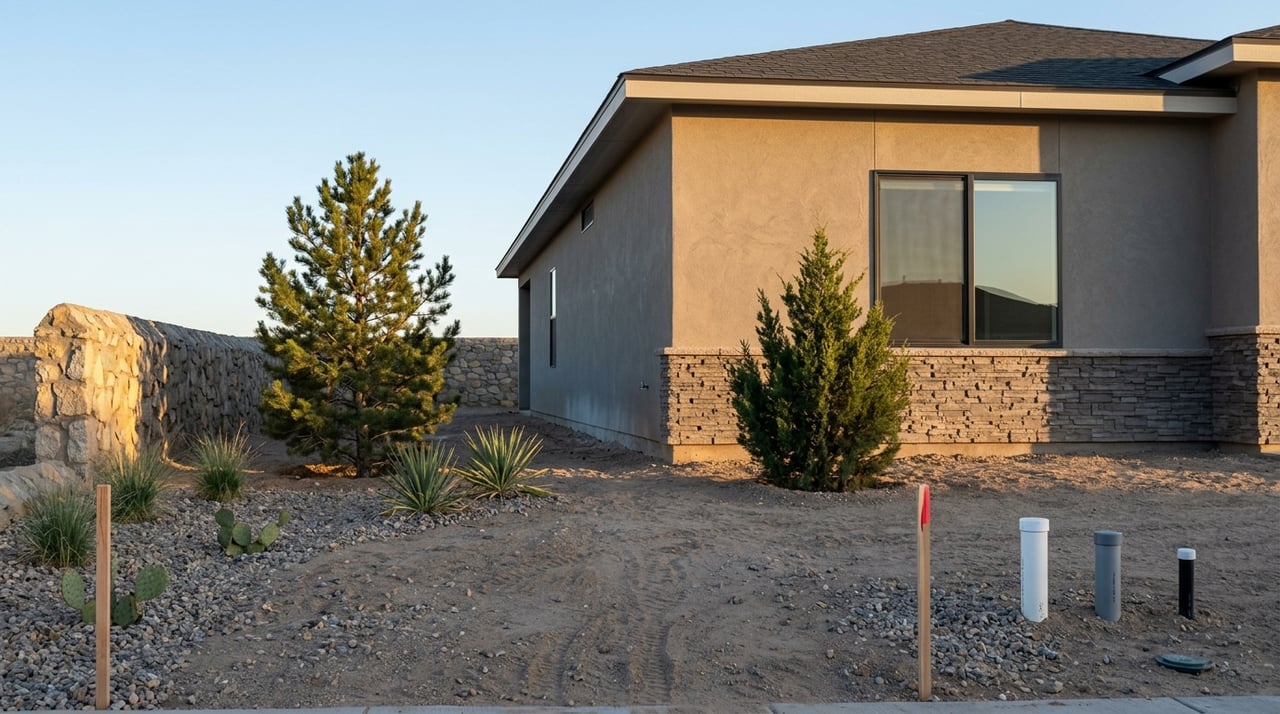
Eagle Ridge, Prescott: Should You Buy Land or a Fixer?
June 18, 2026
June 18, 2026
Wondering whether you should buy a vacant lot or take on a fixer in Eagle Ridge? It is a smart question, because these two paths can look similar on price at first and feel very different once permits, site work, and renovation costs come into focus. If you are comparing your options in this Prescott neighborhood, this guide will help you weigh the tradeoffs, ask better due diligence questions, and move forward with more confidence. Let’s dive in.
Eagle Ridge reads more like an established Prescott subdivision than raw rural land. Recent listing examples show paved or city-maintained street access, underground utilities, and in several cases city or public water and city sewer. Even so, utility details can vary by parcel, so it is important to verify the specifics for the lot or home you are considering.
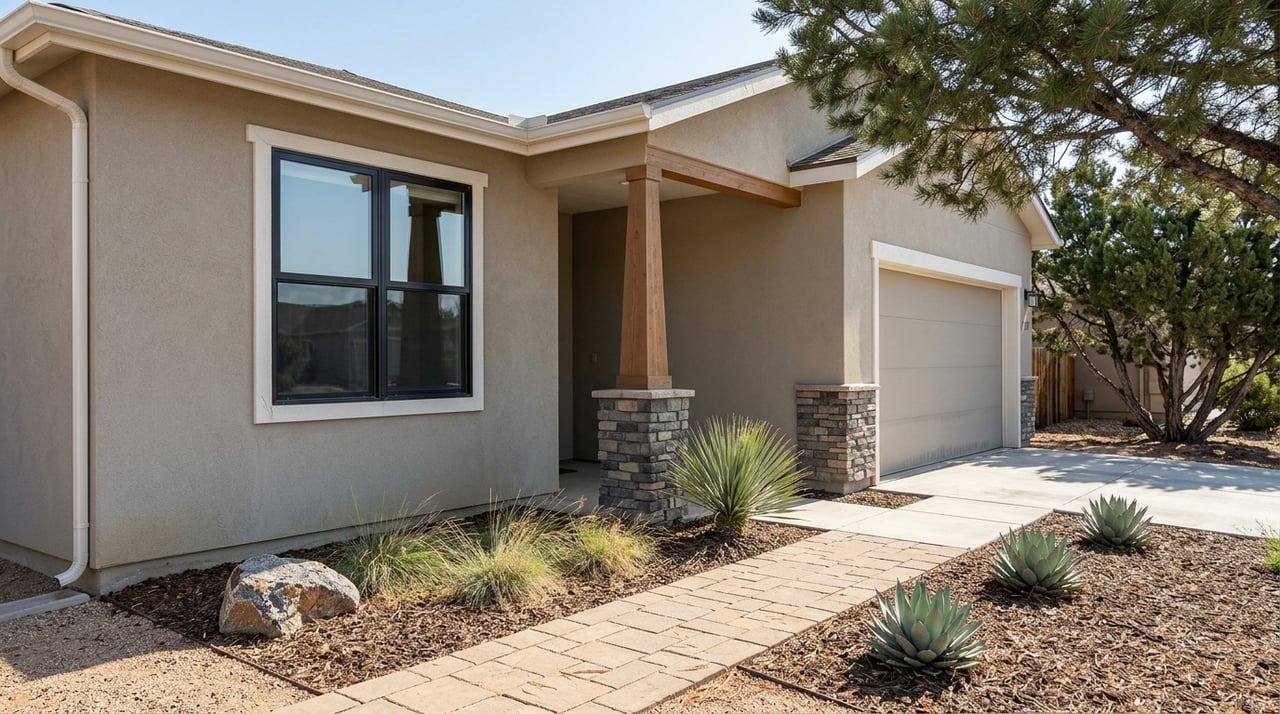
The neighborhood stock also gives you clues about what to expect. Many homes were built between the 1990s and early 2000s, with sizes commonly ranging from about 1,349 to 4,090 square feet. Recent listings also show a Southwest or Santa Fe style pattern, including stucco exteriors, tile roofs, covered decks, arched entries, and attached garages.
Vacant parcels in recent listing snapshots were often around 0.29 to 0.32 acres, while many improved lots fell roughly in the 0.28 to 0.41 acre range, with some larger homesites available. Recent vacant-land examples were listed around $75,000 to $85,000. That gives you a starting point, but the real value difference usually comes down to utility readiness, slope, and how much work the property needs.
Buying land can be appealing if you want more control over design, layout, and finishes. In Eagle Ridge, that can mean building a home that fits the lot and takes advantage of views, outdoor living, and the neighborhood’s established feel. But buying land is not just about finding an affordable homesite.
The first big question is whether you can build what you want under City of Prescott rules. Prescott Planning & Zoning handles land-use review through the city’s Land Development Code, so setbacks, dimensional standards, density, and parking should be checked early. It is much easier to confirm those rules before you start designing than after you fall in love with a plan.
You also want to confirm exactly where the lot lines and easements sit. Yavapai County’s interactive map is useful as a reference, but the county states it is not a legal substitute for boundary work. A current survey, recorded plat, and parcel map review can help you avoid surprises.
A land purchase often looks simple until site work enters the picture. In Prescott, a Grading & Drainage permit is required when cut or fill exceeds 50 cubic yards, when clearing and grubbing exceeds 10,000 square feet, or when work affects drainage on adjacent properties. If your project needs water, irrigation, or sewer laterals connected to public mains, the city also requires an Underground Utility permit.
You should also budget for city fees, not just construction bids. Prescott publishes utility impact fees that vary by water service area and meter size, and the city notes those totals do not include meter cost, tap fees, or all administrative charges. Utility activation can also involve a service fee and sometimes a deposit.
Prescott’s setting is part of its appeal, but it also shapes the building process. The City of Prescott’s General Plan states that Prescott is susceptible to wildfire and requires vegetation management plans and fire-resistant materials in at-risk neighborhoods and new construction. The city also requires owners to keep weeds and brush under control and may post seasonal fire restrictions during dry periods.
That means a lot is not truly “ready” just because it is vacant. Slope, brush, drainage, and defensible-space needs can all affect what it costs to build. In Eagle Ridge, those factors may influence your timeline as much as the lot price does.
If you want to be in the neighborhood sooner, a fixer may be the more practical path. In Eagle Ridge, a fixer is usually not a century-old project house. It is more often an established 1990s or early-2000s home that needs updating, repairs, or systems work.
Recent examples show one- and two-story homes with attached garages, walkout basements in some cases, and floor plans already sized for move-up buyers. That can be helpful if you like the bones of the house and want to improve it over time. You may be able to gain usable square footage, a mature setting, and existing utility connections without starting from scratch.
Many homes in the neighborhood already feature the finishes and systems buyers expect in Prescott, such as central air, gas heat, fireplaces, granite counters, covered decks, and fenced yards. Because of that, some fixer projects here may be more cosmetic or systems-focused than full rebuilds. Still, roof condition, drainage, and the exterior envelope deserve careful attention because they can become expensive issues in a mountain climate.
One of the biggest mistakes buyers make is assuming a fixer automatically means simple DIY improvements. Prescott currently performs building plan review under the 2024 International Residential Code and 2024 International Building Code with city amendments. Additions, major remodels, structural changes, reroofs, and utility tie-ins should all be checked against the city permit process.
If your project touches the public right-of-way, that is a separate layer to review. Work involving a driveway, sidewalk, culvert, or street tie-in is handled separately by the city. This is one reason a lower purchase price does not always mean a lower total project cost.
With a fixer, the visible work is often the easy part. New paint, flooring, countertops, or lighting may be what gets your attention during a showing, but permit fees, utility work, grading or drainage needs, and wildfire-hardening updates can have a bigger effect on your budget. In Eagle Ridge, those less visible line items are often where buyers get caught off guard.
That does not mean a fixer is the wrong choice. It just means you want a realistic budget and a clear scope before you close. If the home already has the location, lot, and layout you want, improving an existing property can still be the better value.
The right answer depends on your timeline, risk tolerance, and how much customization you want. If you want a home tailored to your preferences and you are comfortable with permitting, site work, and a longer runway, land may be the better fit. If you want an established home in an established subdivision and are open to updates, a fixer may offer a faster path.
Here is a simple side-by-side view:
| Option | Best For | Main Advantage | Main Watchout |
|---|---|---|---|
| Buy land | Buyers who want to build around their preferences | More control over design and use of the homesite | Utility, grading, drainage, and wildfire-related costs |
| Buy a fixer | Buyers who want an existing home and faster occupancy | Existing structure, neighborhood setting, and possible utility connections | Remodel scope, permit needs, and hidden repair costs |
In Eagle Ridge, both paths can work well. The difference is usually not just the asking price. It is how ready the property is for your plans.
Before you decide, focus on parcel-level facts instead of neighborhood assumptions. Eagle Ridge appears to have a mostly no-HOA feel in the market, but listing data are mixed. At least one vacant parcel listing showed HOA obligations and a monthly fee, so you should verify whether the specific property has HOA fees or recorded CC&Rs.
You should also confirm utility status directly for the property you want. Do not assume city water and sewer are available exactly where you need them, or that no additional laterals, taps, or meter work will be required. The same goes for access, grading, and drainage conditions.
A strong due diligence checklist includes:
If you love the idea of a custom home and can handle extra planning, land in Eagle Ridge may be worth the effort. If you want to get into the neighborhood with an existing structure and improve it in phases, a fixer could be the more efficient route. In both cases, the smartest move is to compare total project cost, not just list price.
In a neighborhood like Eagle Ridge, small details can have a big effect on value. Utility readiness, slope, drainage, permit requirements, and wildfire-related standards can all change the math. When you have local guidance and verify those items early, it becomes much easier to choose the path that actually fits your goals.
If you are weighing a lot against a fixer in Prescott, Tim Eastman can help you compare the numbers, evaluate the property, and move forward with clear local insight.
Stay up to date on the latest real estate trends.

Search by Features
Golf Community
New Construction
Gated Community
Separate Guest House
Search by Neighborhood
Tim Eastman stands out in the Prescott, AZ real estate market by providing unparalleled local insights and a personalized approach to each client’s journey. His dedication to excellence and deep market knowledge ensures that your living begins here with the utmost confidence and ease.