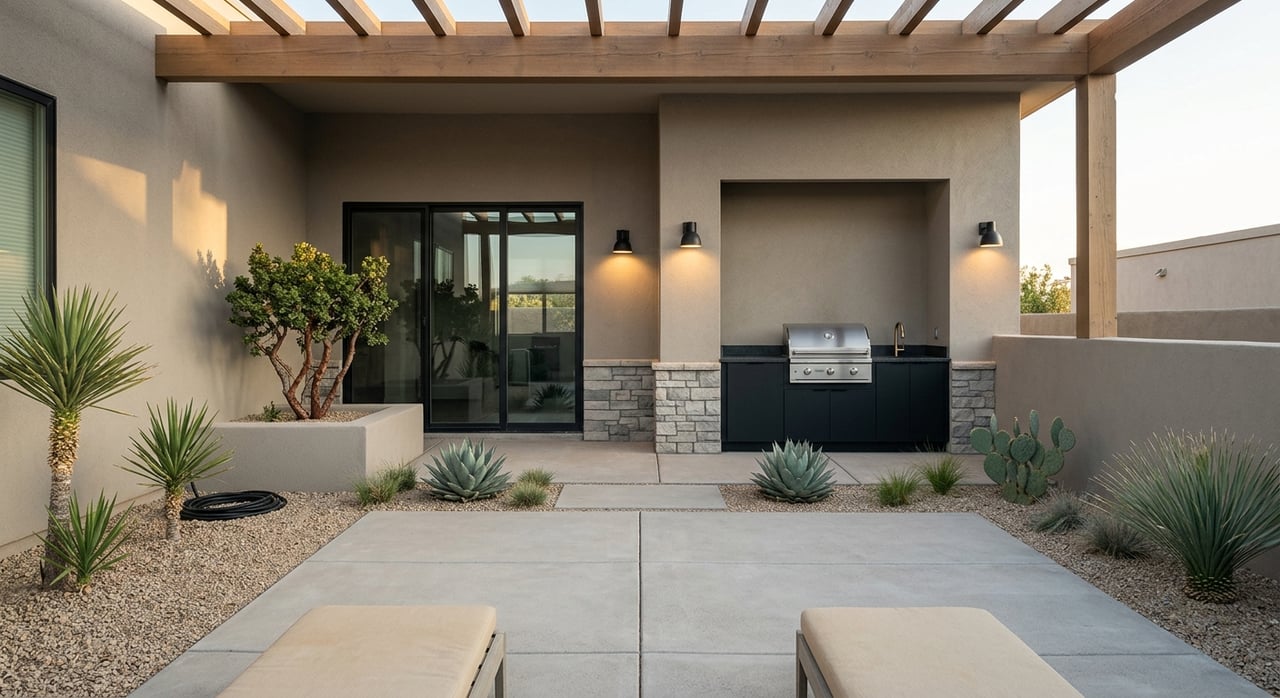
Your Guide to Buying a Second Home in Sedona
June 25, 2026
June 25, 2026
A second home in Sedona can sound like a dream, but the details matter just as much as the view. If you are thinking about buying a place you will use seasonally, keep for long weekends, or possibly rent part-time, you need a clear picture of how Sedona ownership works. This guide walks you through the lifestyle appeal, the practical issues, and the local rules that can shape your decision. Let’s dive in.
Sedona offers a mix that is hard to ignore. The city says its scenery draws about 4 million visitors each year, and that same landscape supports a strong arts and culture scene along with year-round outdoor recreation.
For many buyers, that means a second home can feel like both a retreat and a home base. You are not just buying a property. You are buying easier access to trails, scenic drives, galleries, events, and a place that feels different from everyday life.
Sedona changes by season, and that matters when you own a home you may not use every week. Based on NOAA 1991 to 2020 climate normals, January averages about 56°F for highs and 31°F for lows, while July averages about 97°F for highs and 64°F for lows. Annual precipitation is about 18.94 inches.
That seasonal swing can affect everything from your packing list to your maintenance plan. A home that feels perfect for spring hiking trips may need a different comfort strategy in peak summer or cooler winter months.
The Red Rock Ranger District of Coconino National Forest highlights the activities that define the area. Hiking, horseback riding, scenic drives, camping, fishing in Oak Creek, and picnicking are all part of the Sedona experience.
For second-home owners, that access is a real benefit. Signature spots like Devil’s Bridge, Doe Mountain, and West Fork are part of what makes time in Sedona feel rewarding, especially if you want a home that supports quick getaways and active weekends.
Some trailheads require a Red Rock Pass or America the Beautiful Pass for parking. If you plan to host friends or family at your second home, knowing those basics ahead of time can make their visit smoother.
Sedona is not only about outdoor recreation. The city’s arts and culture program says the local arts sector generated $13.4 million in 2022 and included 20 privately owned galleries plus more than 14 nonprofit arts and culture organizations.
That gives second-home buyers another reason to look closely at the market. Even if you are not on the trails every day, you still have access to galleries, live music, dance, poetry readings, film festivals, and city-run art programs.
The official visitor center in Uptown Sedona also provides maps, directions, and pass sales. That can be helpful if you use the property intermittently or want an easy resource for visiting guests.
One of the most important facts for buyers is that Sedona sits on the line between Yavapai County and Coconino County. That means parcel records, taxes, and some local requirements can depend on the exact address.
This is especially important if you are comparing homes that look similar on the surface. Two properties in Sedona may come with different county-related tax considerations, so you want to verify the county of record before you move forward.
For buyers already familiar with Prescott and Yavapai County, this crossover geography is worth extra attention. It is one of the first details to confirm when you start narrowing down homes.
If you already spend time in Prescott or are based in the broader Yavapai County area, a Sedona second home can make a lot of sense. Prescott offers its own recreation-focused setting, with city information describing 100+ miles of trails, 128 miles of recreational trails, and 2,200 acres of natural parks and open space.
In practical terms, the two areas offer different experiences. Prescott gives you a high-country setting and extensive local trail access, while Sedona offers the red-rock landscape, tourism energy, and a distinct visitor-driven atmosphere.
That contrast is part of the appeal for some buyers. Instead of choosing one lifestyle only, you may be able to enjoy both depending on the season, your plans, and how often you use the home.
Sedona owners also benefit from the surrounding Verde Valley communities. Clarkdale highlights its historic Main Street, Verde Canyon Railroad, and Verde River access. Cottonwood emphasizes Old Town, local trails, and riverfront connections.
Jerome is known for its historic mining-town character and arts scene, while Camp Verde promotes hiking, kayaking, historic monuments, wildlife, and outdoor living. For a second-home owner, these nearby communities can expand your options for dining, errands, recreation, and day trips.
That wider network can make a second home feel more useful over time. You are not limited to one part of town or one type of outing when you want a change of pace.
A second home needs a different ownership plan than a primary residence. Sedona’s emergency management resources say residents should know their evacuation zone and review the Community Emergency Preparedness Guide.
The city and fire district also publish fire restriction information and wildfire preparedness resources. If you will be away often, it is smart to think in advance about seasonal checkups, defensible-space awareness, and having a local point person who can keep an eye on the property.
This is one of the biggest practical differences between owning a vacation-style home and owning your main home. The less often you are there, the more important your systems and support plan become.
If part of your plan is to rent the home when you are not using it, you need to understand Sedona’s rules before you buy. According to the city’s vacation rental FAQ, owners who rent for even one day per year need both a transaction privilege tax license and a Sedona short-term rental permit before advertising or renting the property.
The city also says rentals of 30 or more days do not need the permit. In addition, short-term rentals may not be used for special events.
This is a critical point for buyers who want flexibility. Do not assume every second home can be casually rented out when you are away. Your intended use needs to match the city’s current rules from the start.
The exact parcel location matters again when taxes come into play. Sedona’s FAQ lists a total short-term rental tax of 13.325% in Yavapai County and 13.90% in Coconino County.
That difference may not sound huge at first glance, but it can affect your rental projections and long-term planning. If income is part of your second-home strategy, be sure you understand which county the property is in and how that fits your numbers.
Property taxes in Arizona are administered through the Arizona Department of Revenue and county assessors and treasurers. Yavapai County says tax due dates are set by Arizona statute, and the Assessor’s Notice of Value is the document that controls valuation and classification appeal deadlines.
For a second-home buyer, a careful review process matters. You should verify the property’s classification, confirm the county of record, and then discuss residency issues, rental income, and longer-term tax planning with a CPA or attorney.
That step can help you avoid surprises after closing. It is also one of the clearest ways to make a confident, well-informed purchase decision.
A Sedona second home can be a great fit if you are buying with clear expectations. Before you make an offer, focus on the questions that affect how you will actually use the property.
Consider these practical checkpoints:
The right home is not only the one with the best view. It is the one that fits your goals, ownership style, and comfort level with the local rules.
Buying a second home in Sedona is about balancing lifestyle with logistics. The scenery, trails, arts culture, and access to nearby communities can make ownership deeply rewarding, but county lines, rental rules, maintenance planning, and tax details deserve just as much attention.
If you want a second home that complements your time in Prescott or the broader Yavapai County area, it helps to work with a local team that understands how these markets connect. When you are ready to talk through your goals, reach out to Tim Eastman for experienced, personalized guidance.
Stay up to date on the latest real estate trends.
Search by Features
Golf Community
New Construction
Gated Community
Separate Guest House
Search by Neighborhood
Tim Eastman stands out in the Prescott, AZ real estate market by providing unparalleled local insights and a personalized approach to each client’s journey. His dedication to excellence and deep market knowledge ensures that your living begins here with the utmost confidence and ease.